Tony Salamé’s Aïshti model: when art and retail make a property destination
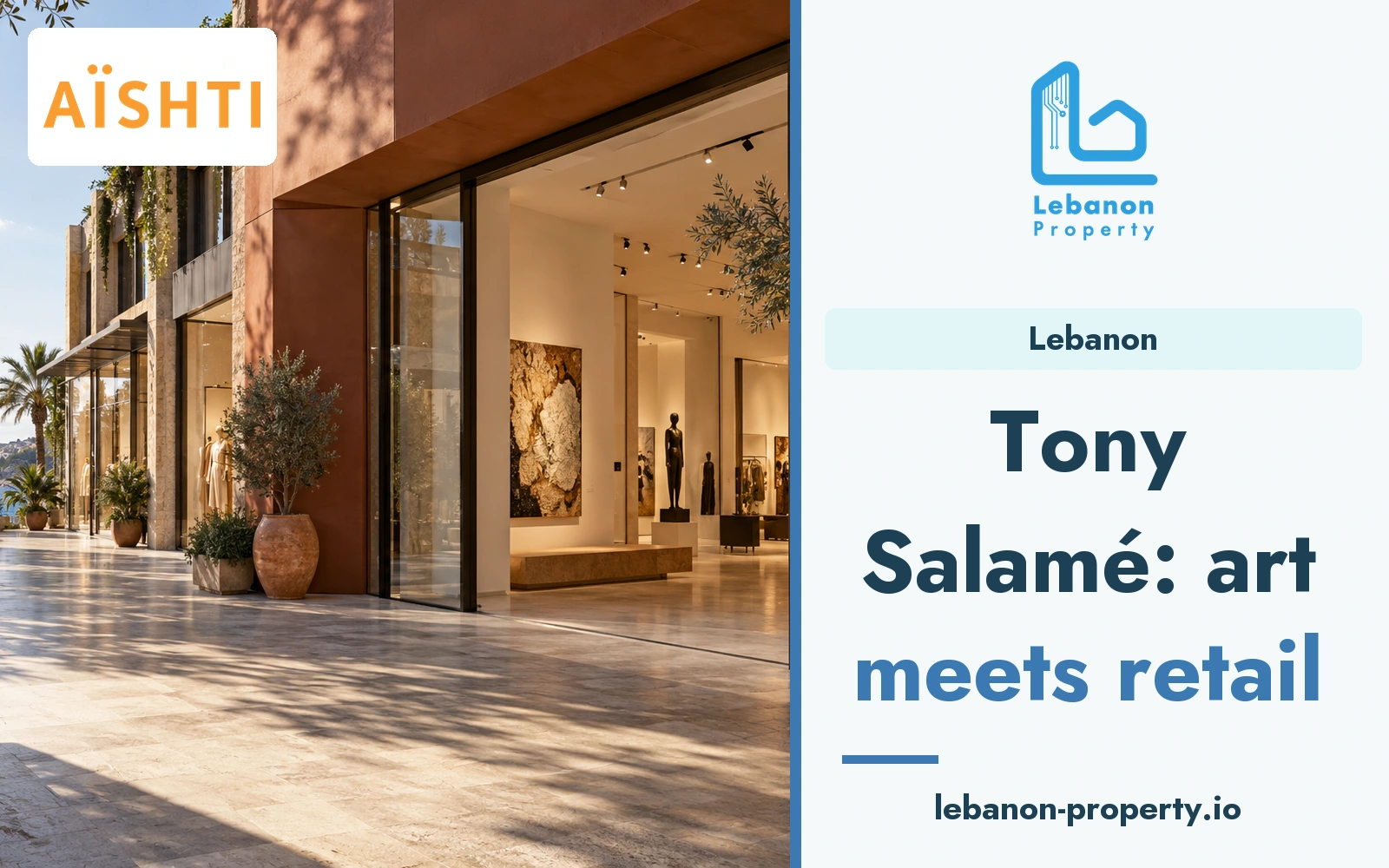
AI-generated illustration. Editorial scene illustrating the property context; not a photograph of the named company, person or project. Logos identify the subjects of this article.
A historical Lebanese case study in combining retail and culture—and the evidence needed before claiming a benefit for nearby buildings.
Tony Salamé’s Aïshti Foundation opened in Jal el Dib on 25 October 2015, according to Artsy’s contemporary reporting. This is a historical case study, not a new opening. Its property question remains useful: when can a destination combining shopping and culture create opportunities for surrounding premises?
A business model expressed through a building
Aïshti’s official history dates the business to 1989 and describes its expansion beyond fashion. The architect’s project sheet explains how gallery and retail spaces can have separate entrances while also connecting. The building is therefore a useful example of several reasons to visit sharing one address.
Adjaye Associates project sheet, hosted by Archilovers · 2026-10-31
How neighbouring buildings might benefit
In principle, visitors arriving for one activity may spend time at another. That could support demand for complementary services nearby. Yet a destination can also contain spending within its own premises. The existence of a prominent business alone does not establish higher footfall outside it, stronger rents or rising property values.
For a neighbouring landlord, the practical question is whether visitors can and do reach the property. A short distance on a map may conceal an awkward road crossing, a disconnected entrance or a different pattern of visits.
A checklist before pricing in the name
Evaluate the actual connection between the destination and your building rather than treating the brand as a substitute for evidence.
- Observe the route at different times and distinguish passing traffic from people who stop.
- Check visibility, pedestrian access, parking arrangements and the suitability of the unit for the proposed business.
- Compare achieved leases for similar premises, not only advertised asking rents.
- Ask potential tenants what customer need they expect to serve and how their operating hours align with local activity.
The lesson for owners
Salamé’s combination of retail and culture illustrates how a building can become a destination with more than one purpose. The value of a neighbouring unit still depends on its own access, use, condition and trading evidence. This article makes no claim that the historical opening caused a measured rise in local prices.
Artsy / Myrna Ayad · 2015-11-05
Read more
Explore more market analysis and practical property guides in the Lebanon Property journal.
Prepared by Lebanon Property on 31 October 2026. Source dates and data periods are stated above. Practical implications are editorial analysis, not a valuation, individual legal or credit advice, or a guarantee of prices or returns.
Sources
- About Aishti
Aïshti · Accessed: 2026-10-31
Historical company background; undated official page checked 31 October 2026 · Lebanon; Aïshti business
- Tony Salamé’s Aïshti Foundation Brings a Who’s Who of Contemporary Art to Beirut
Artsy / Myrna Ayad · Published: 2015-11-05 · Accessed: 2026-10-31
Historical opening report, explicitly not current opening news · Jal el Dib, Lebanon
- Aishti Foundation — Beirut, Lebanon, 2015
Adjaye Associates project sheet, hosted by Archilovers · Accessed: 2026-10-31
Historical architectural project description · Aïshti Foundation gallery and retail building
That’s a wrap.
2 min well spent.
Useful? Send it to someone who’s house hunting.
Ready to see homes like these?
Browse verified listings, or ask our team anything on WhatsApp.